Gardening Service
We have a two man gardening team led by Andrew which can provide an expert service for the largest garden, the small garden or anything in between. We can offer a full garden maintenance package or just maintain certain elements as required.
We currently have a small number of quality gardens on our books.
Gardens in our portfolio include:
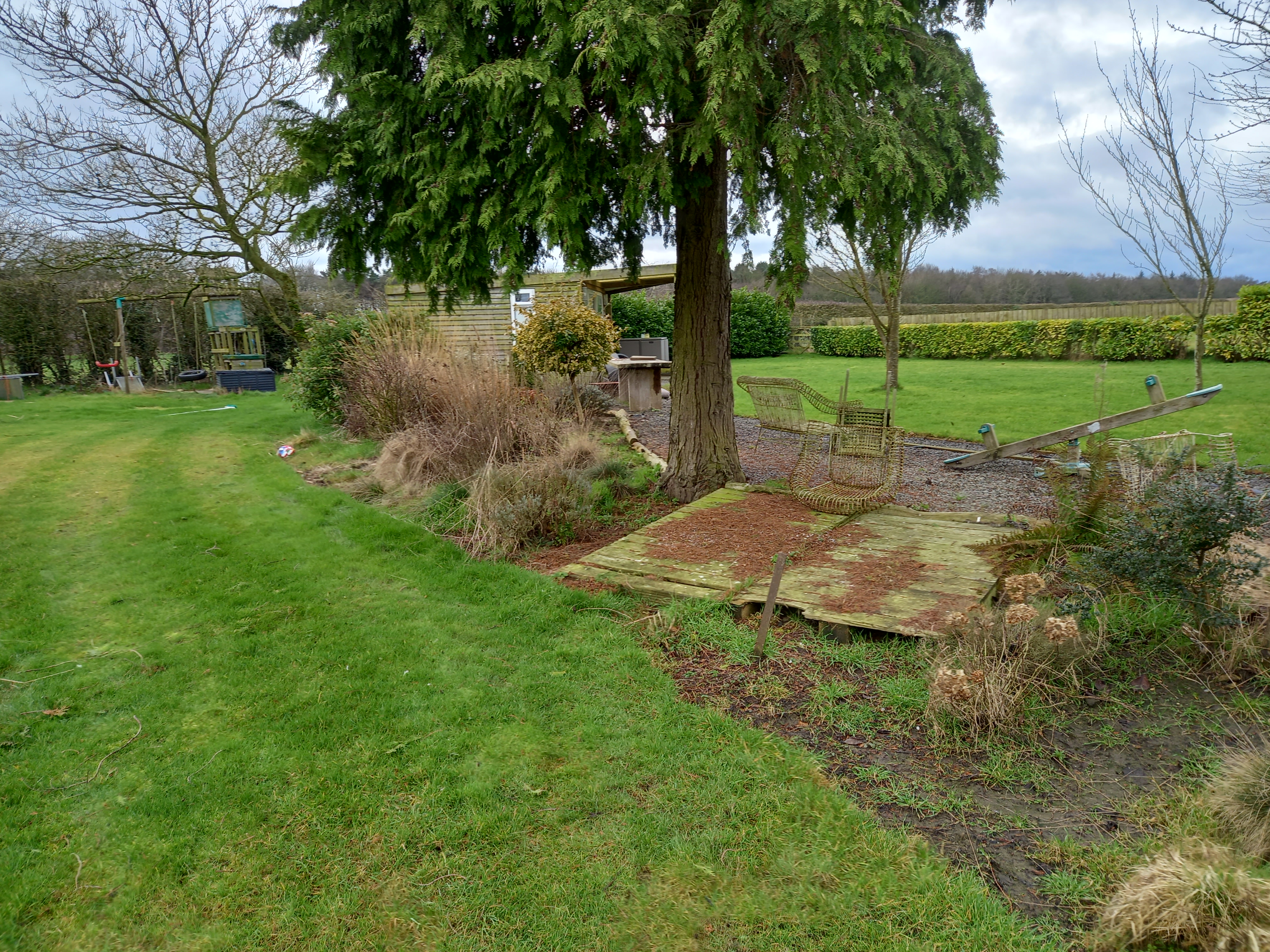
An old Vicarage where we are basically starting from scratch with a neglected uncared for garden.
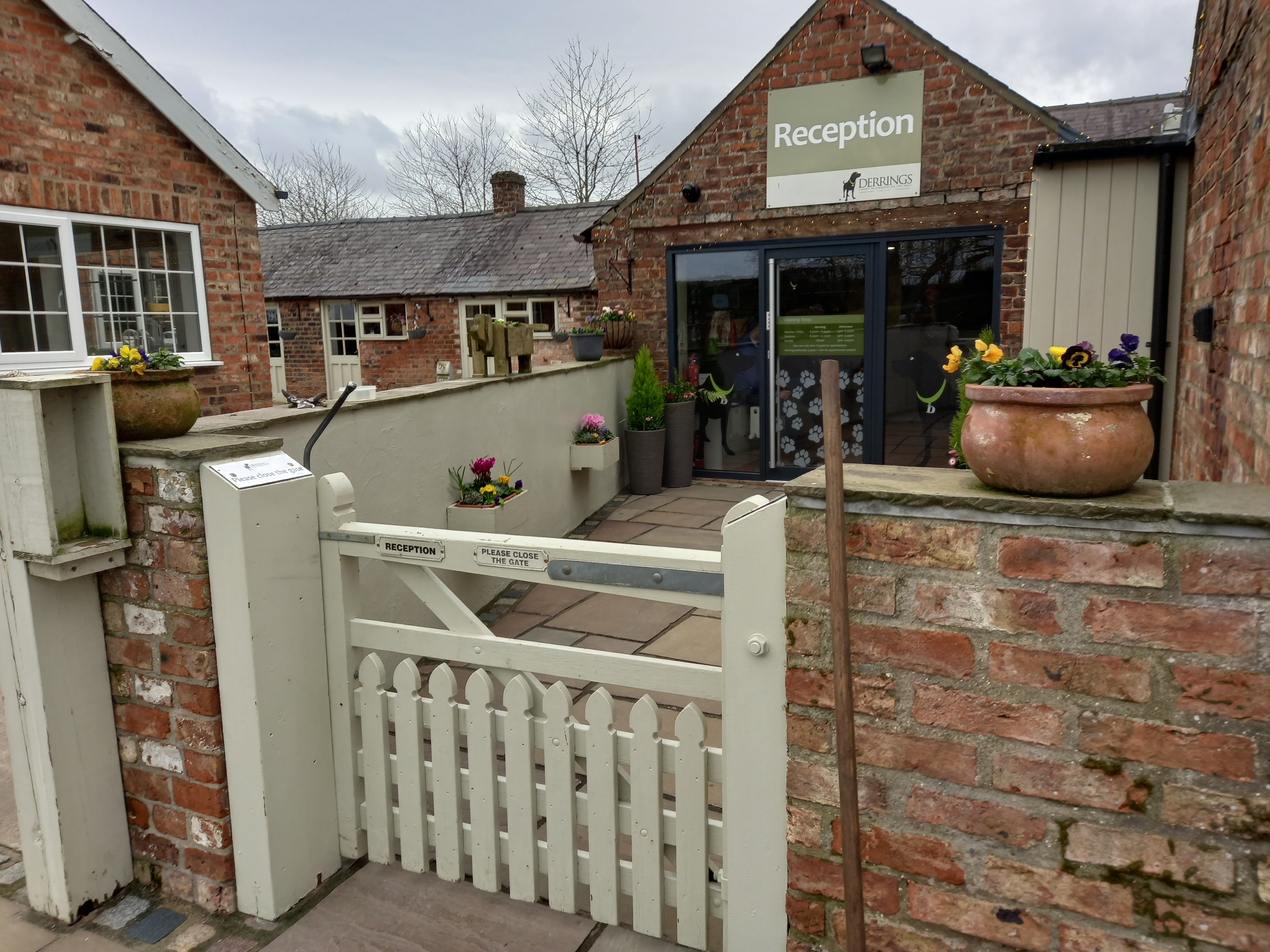
The gardens and dog yard of a local kennels, where we have removed overgrown weeds and are re-arranging beds, as well as keeping the planters maintained with bedding.
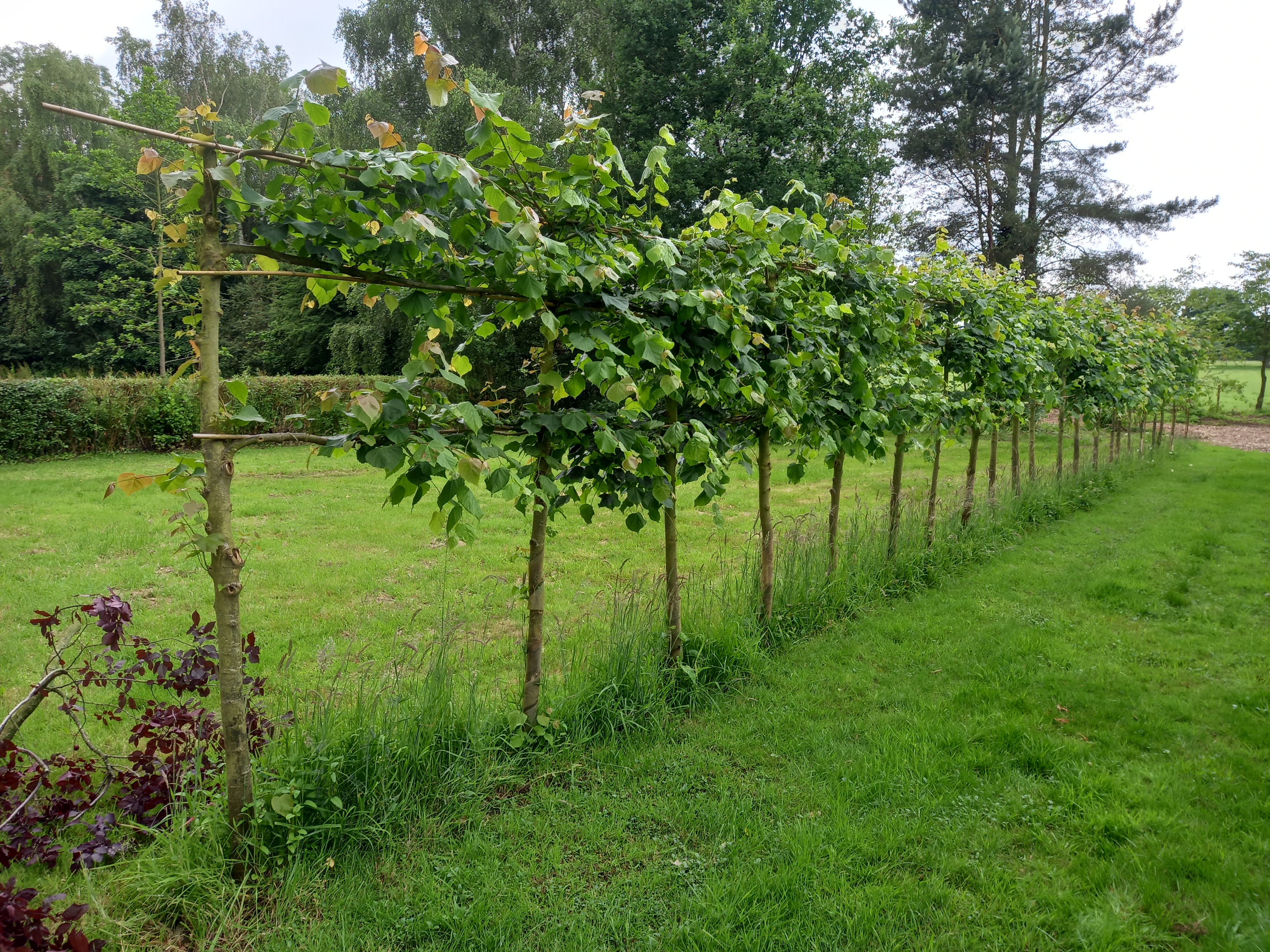
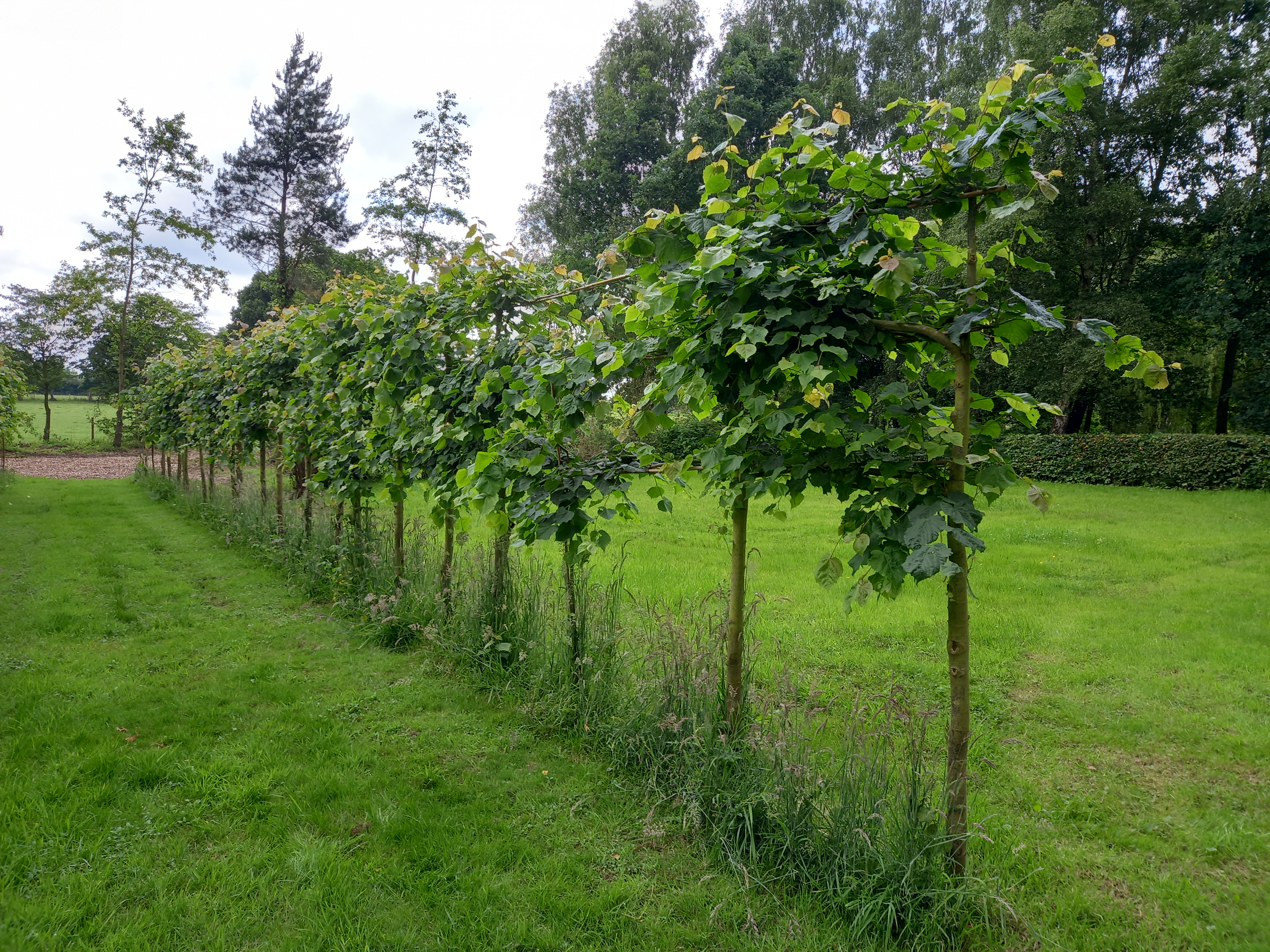
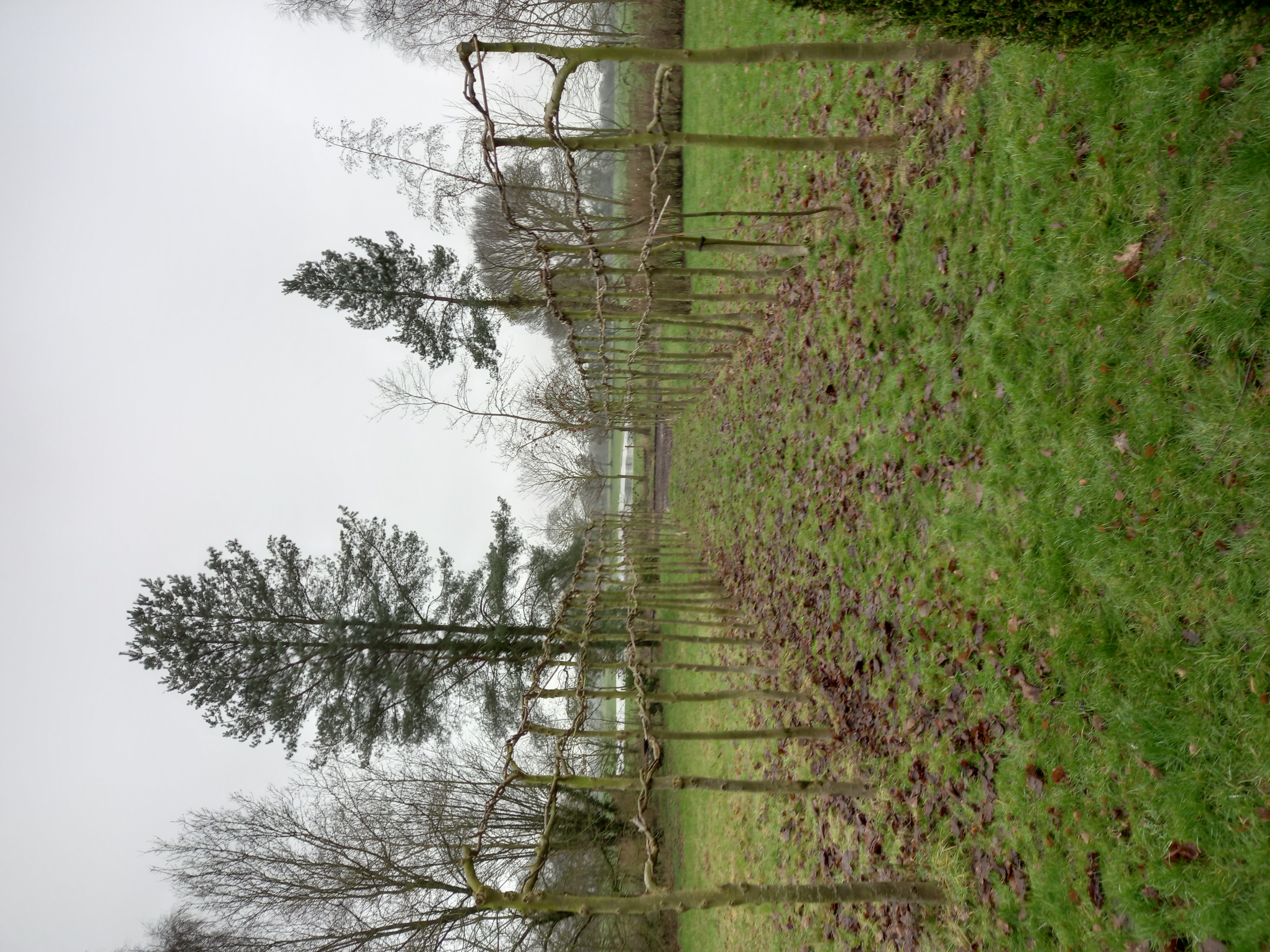
The garden of a top professional in the medical industry, the owner of this garden has an excelent eye for plants and some good ideas for design. Within the garden is a pleached lime walk, which we created and a Cedar walkway pergola and Gazebo. Other features ar Climbing roses around Silver Birch and a circular Yew hedge enclosed seating area.
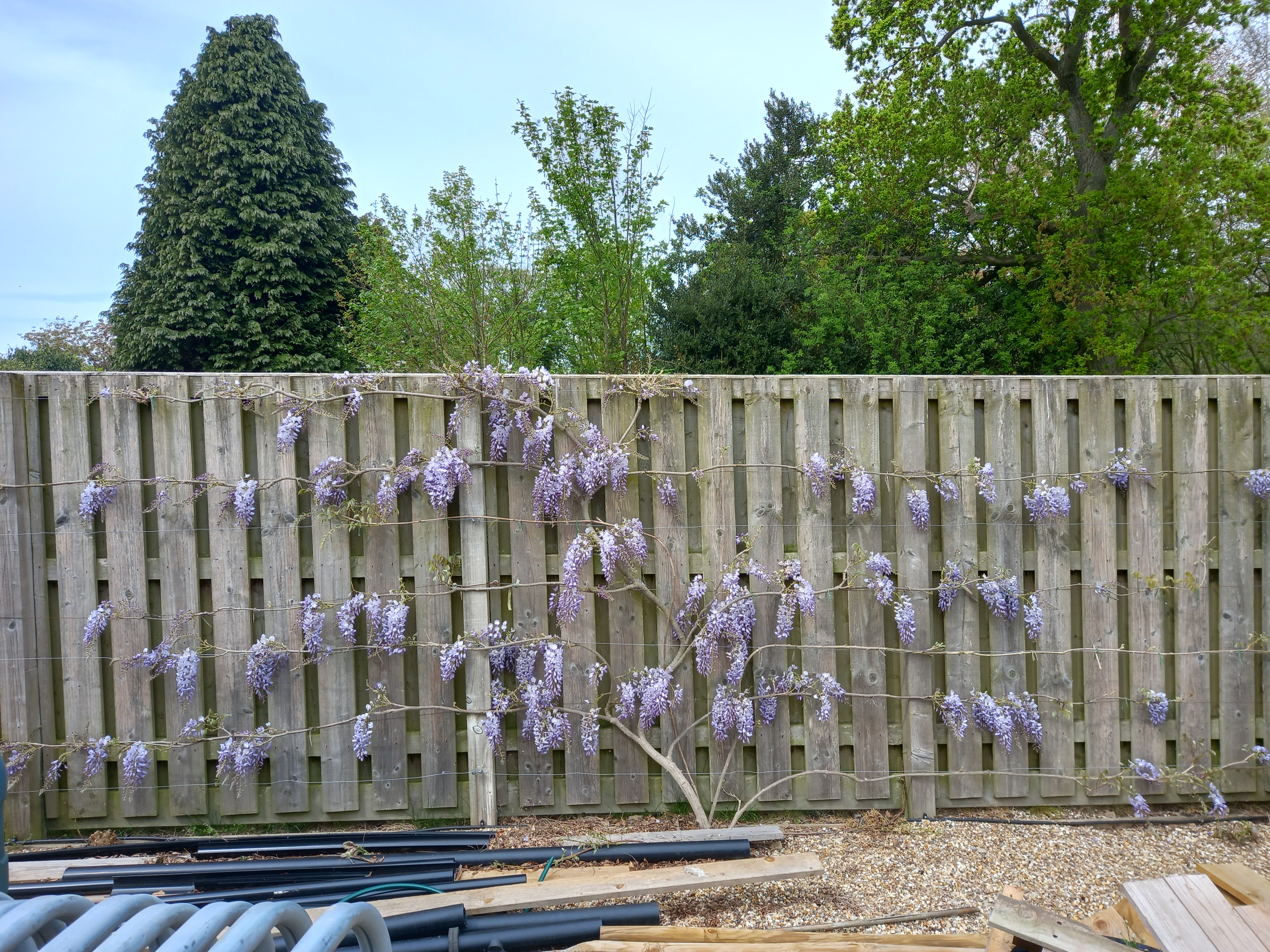
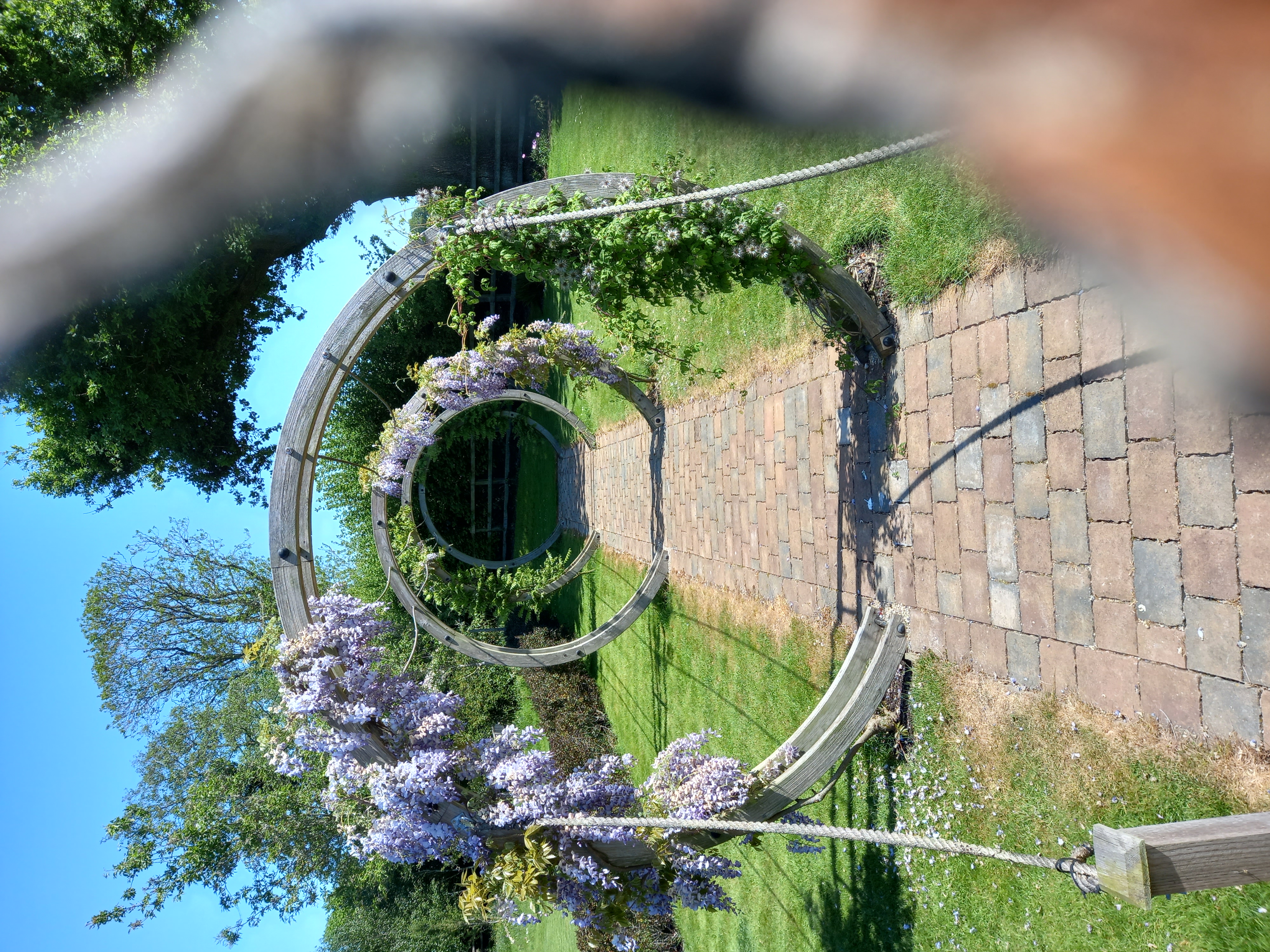
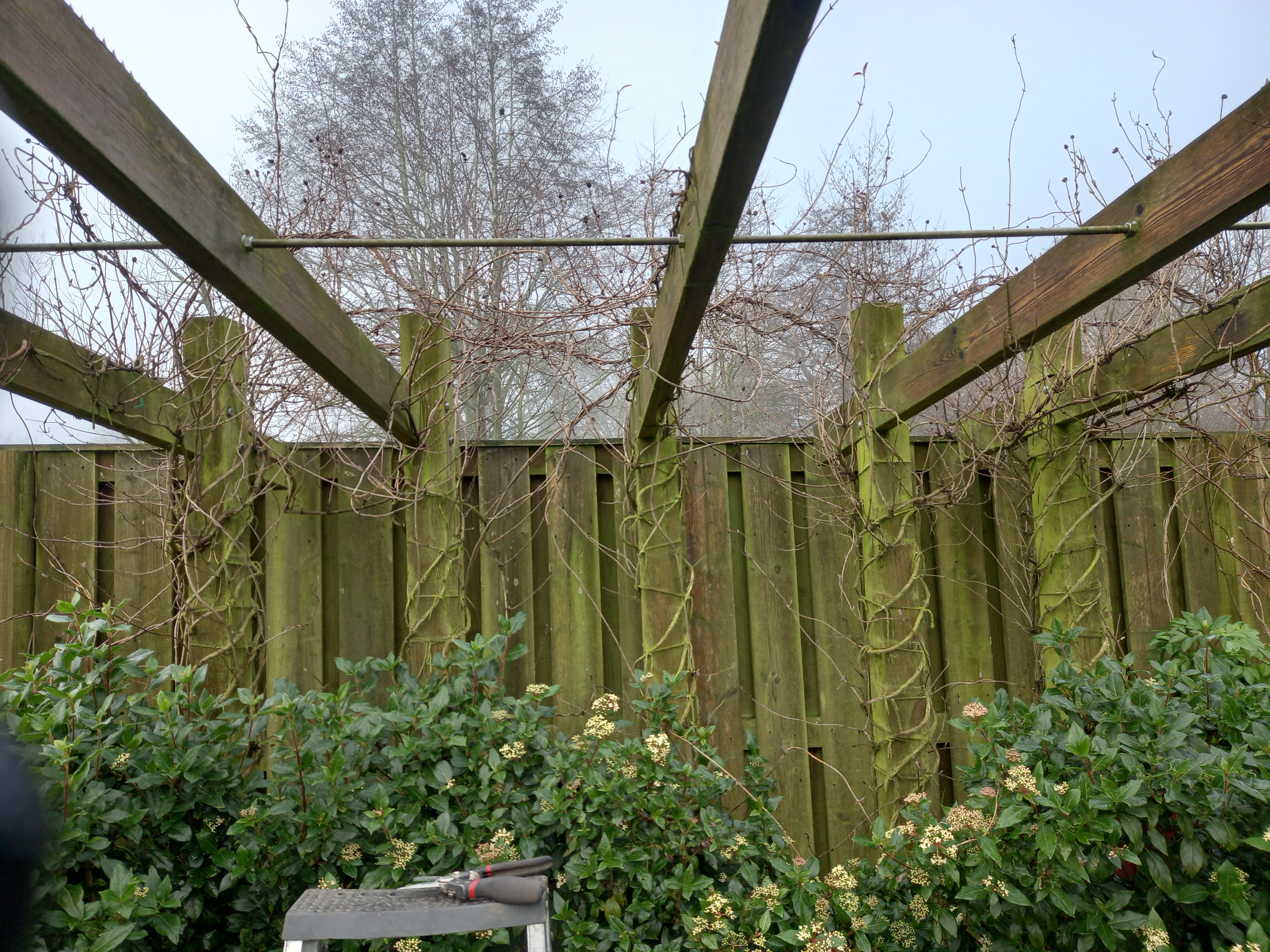
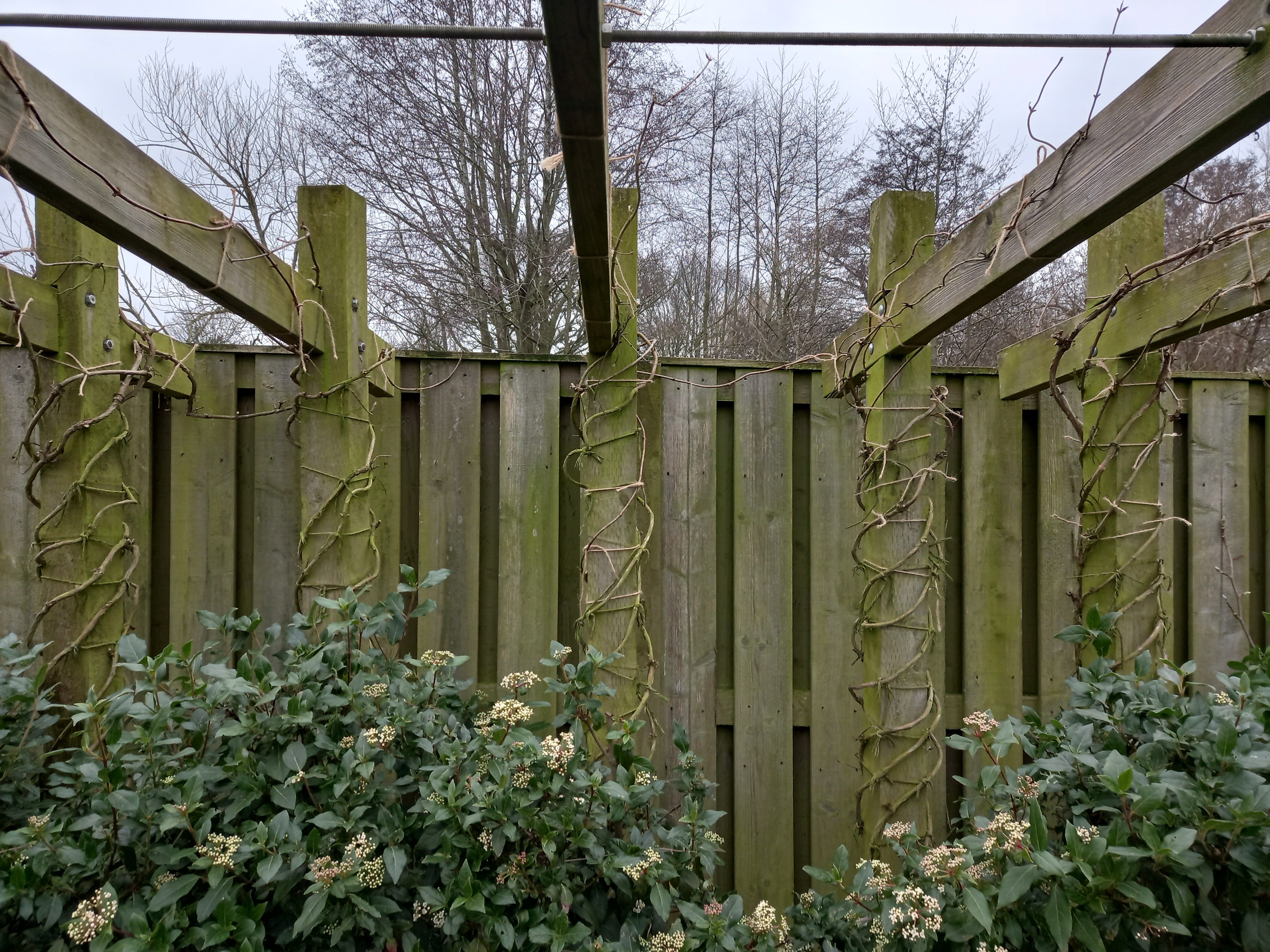
Until recently we maintained the large garden of a local developer which had been designed by a garden designer but unfortunately required some re-arrangeing of the planting. The stand out feature of this garden are the Wisterias which although still young are shaping up to be very promising. Several of these are growing on a series of hoops creating a Wisteria tunnel We have now returned to this garden for the new owners.
Our jewel in the crown is Maidens Folly, a 17th centuary cottage, previously a farm house, set in around 6 acres, divided into different garden rooms by beech and privet hedging. This garden also sometimes opens to the public for local charities. We do the majority of gardening with the input of the owners. It has a unique story only dating back to around 1978, but I beleive it is still a special hidden gem.
There are a number of rooms/gardens:
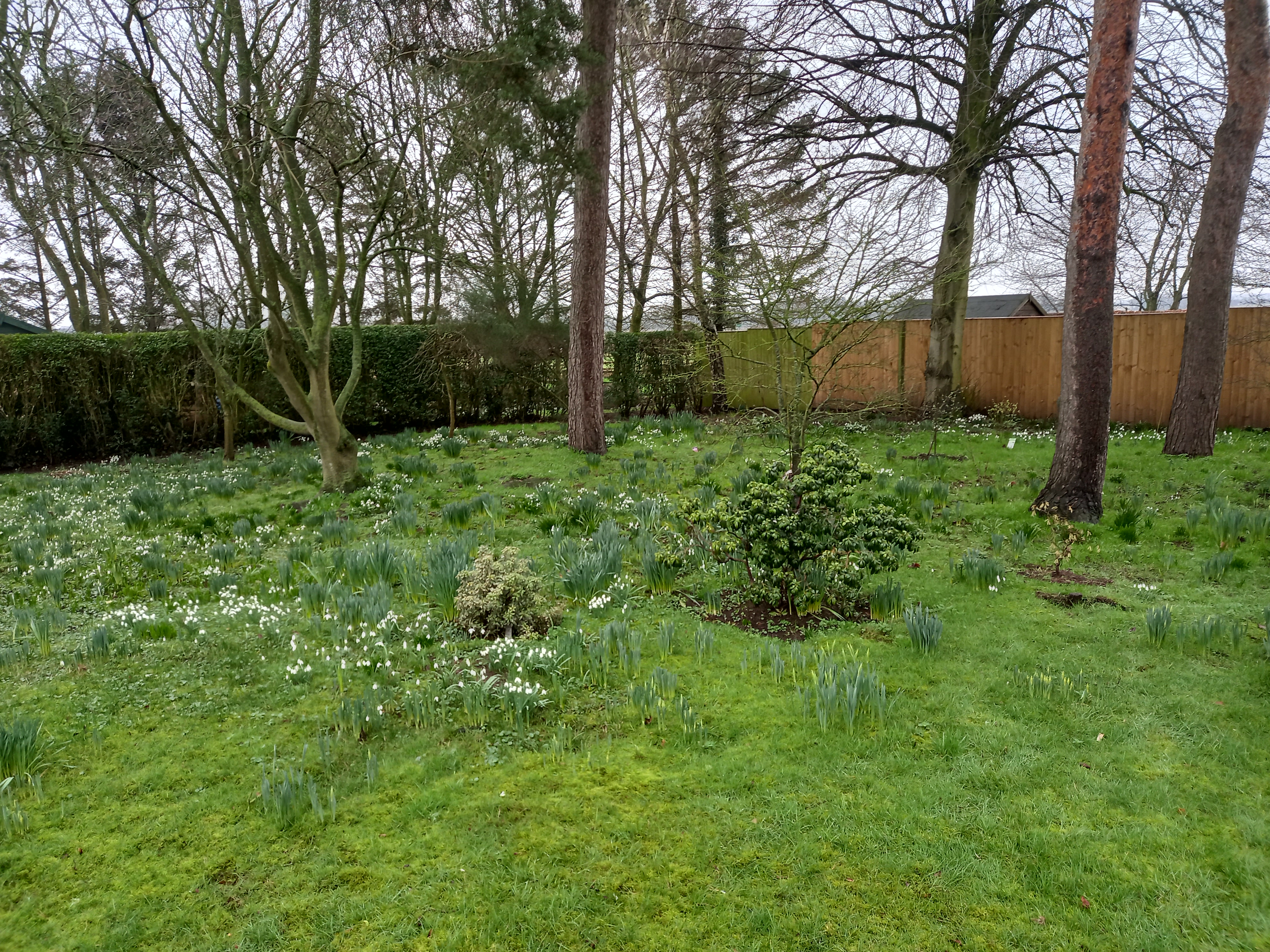
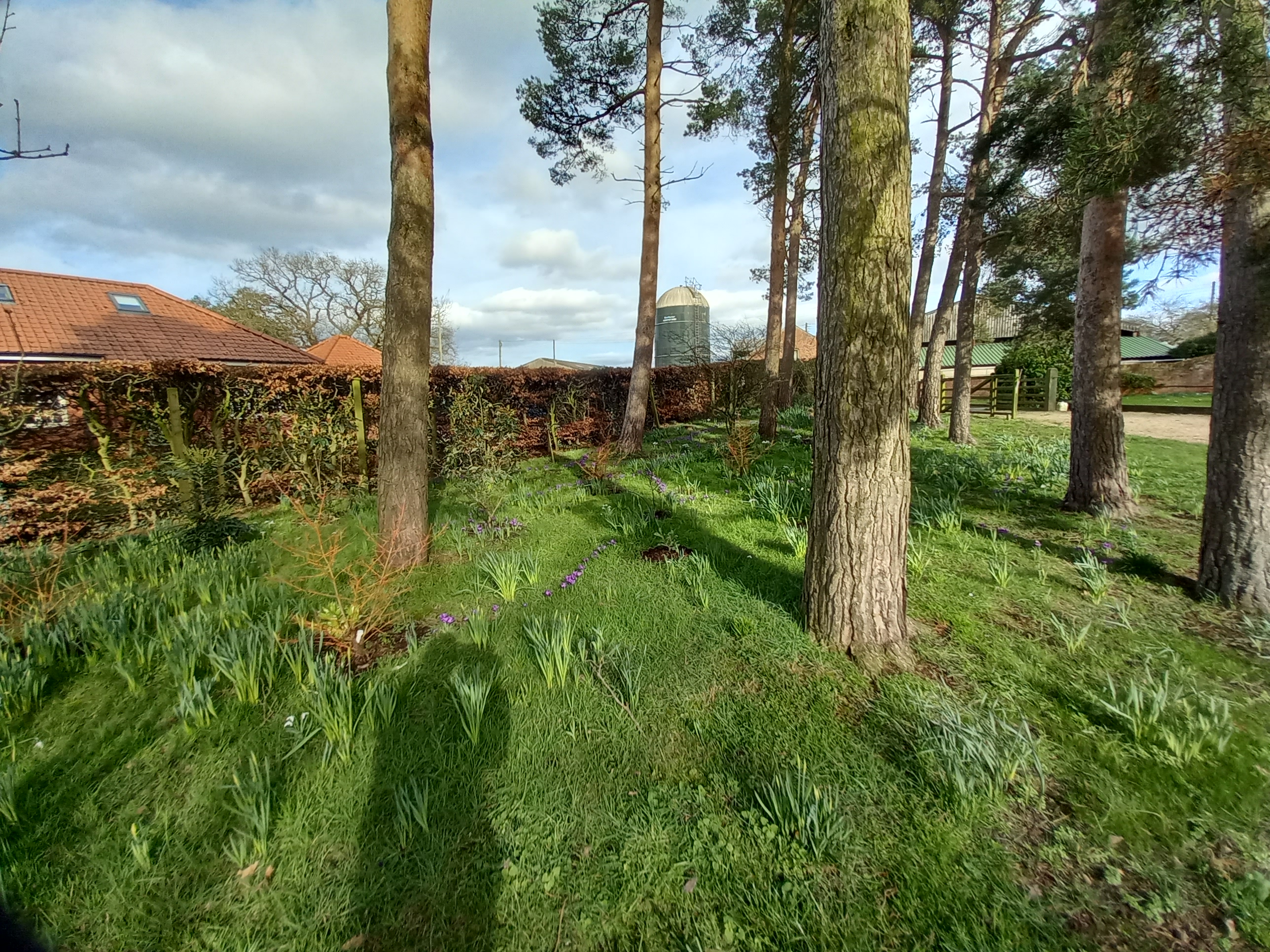
Wilderness - an area of spring bulbs, Snowdrops, Daffodils and Bluebells, which when finished is cut down to leave a partially shaded lawn with shrubs planted intermittently. At the end of the wilderness there is the makings of a dry garden, mainly grasses and Iris sibirica at present.
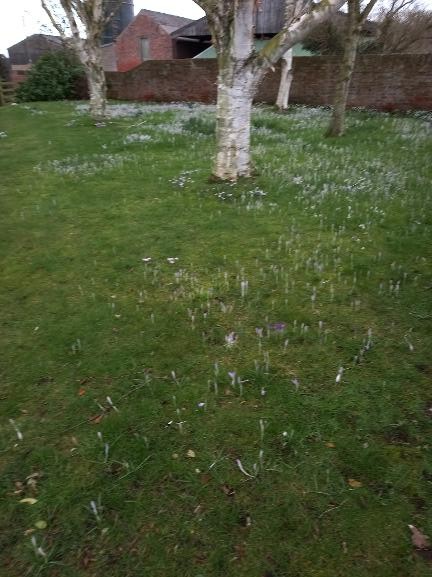
Crocus lawn - which is covered with naturalising crocus followed by daffodils, and then cut down to lawn
Kitchen garden - so called because it is next to the kitchen, in fact it is a walled garden at one end and more of a formal lavender garden at the other. along the outer wall is a rose bed with climbers, standards and shrub roses inter planted with herbaceous perenials.
Crocus lawn - which is covered with naturalising crocus followed by daffodils, and then cut down to lawn
Kitchen garden - so called because it is next to the kitchen, in fact it is a walled garden at one end and more of a formal lavender garden at the other. along the outer wall is a rose bed with climbers, standards and shrub roses inter planted with herbaceous perenials.
Roadside garden -
Terrace - small paved terrace with climbing roses and a Wisteria on the house walls. This looks out down the Long Borders
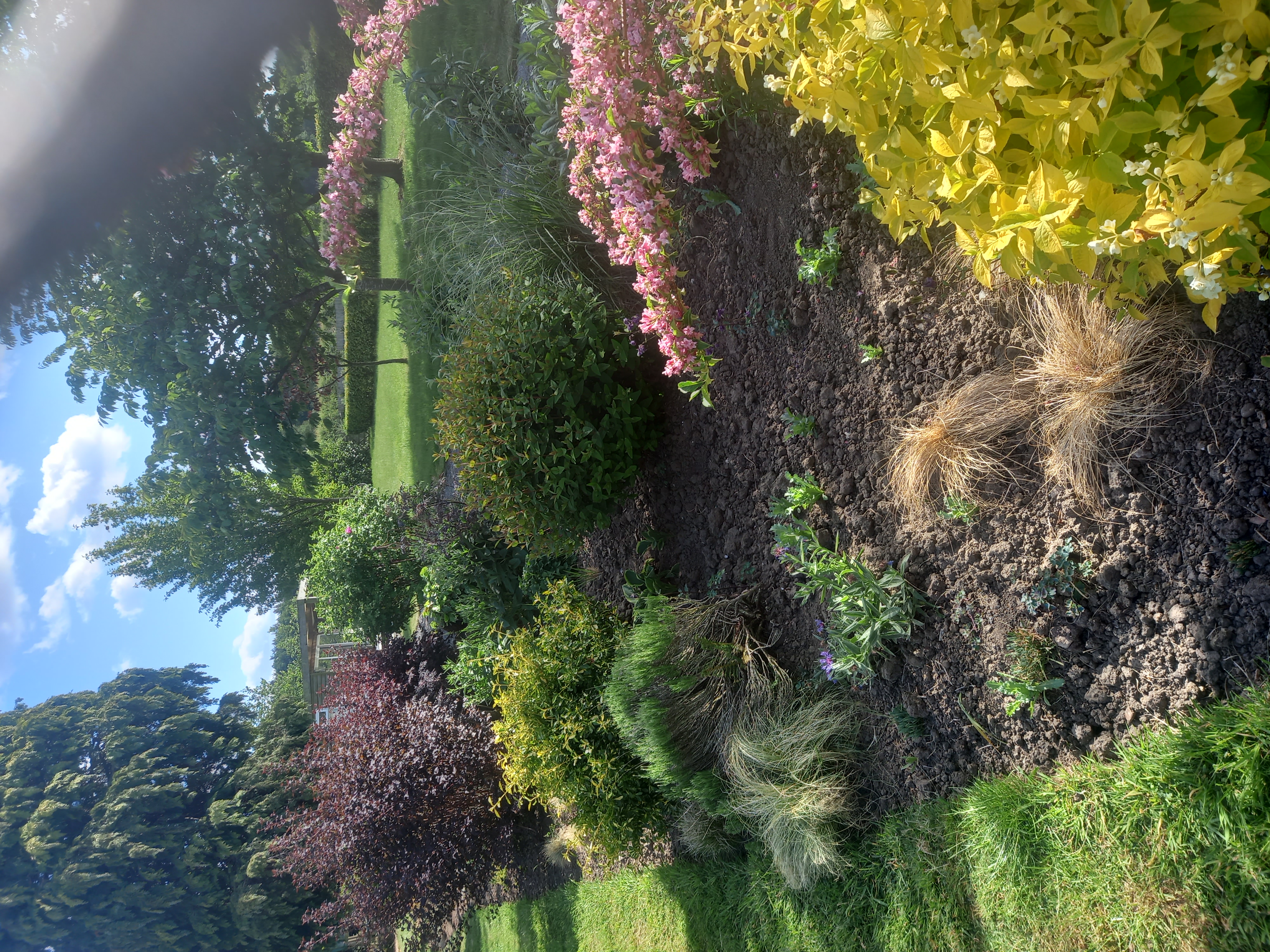
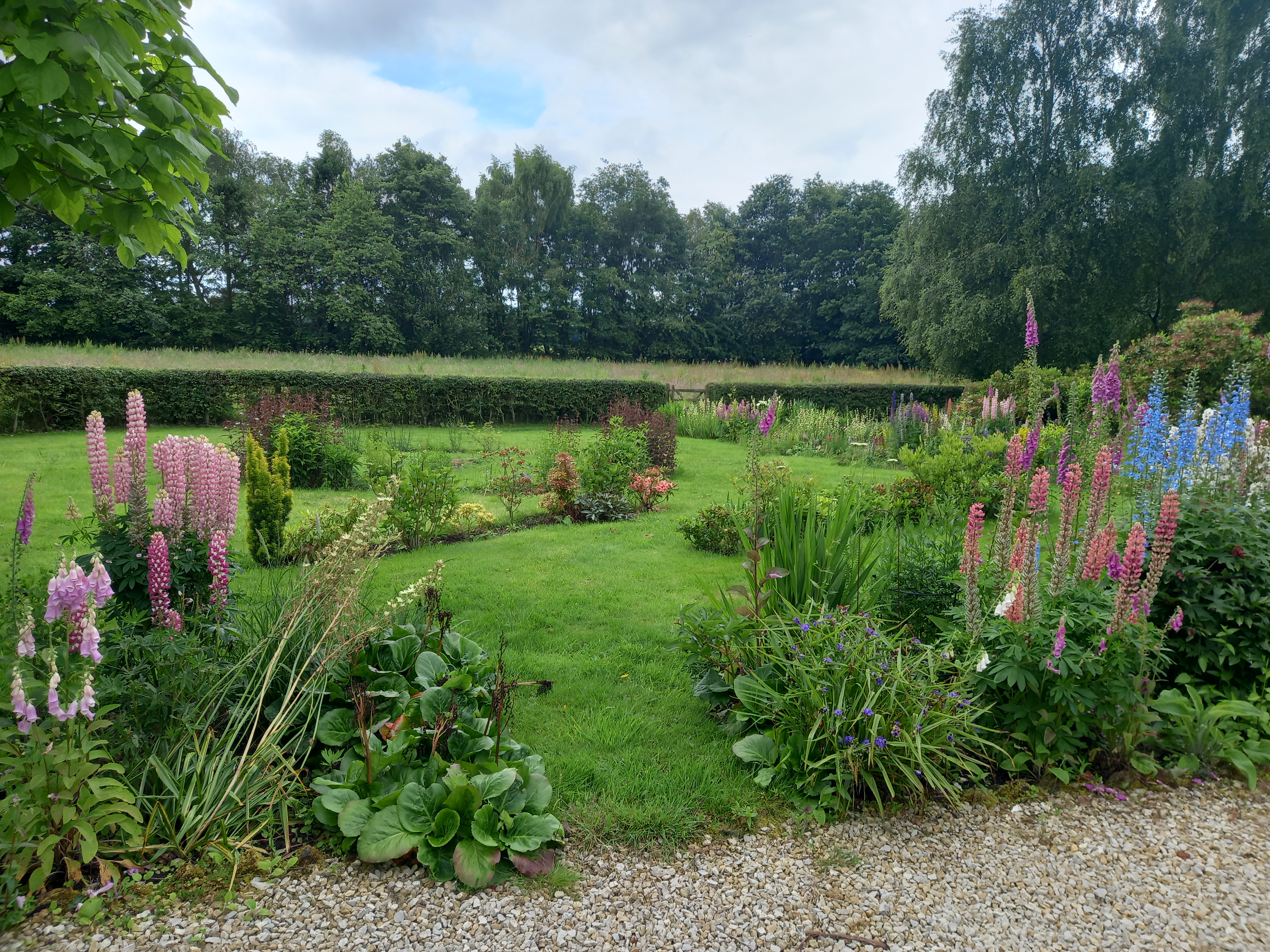
Long Borders - 2 parallel bordes aproximately 30 yards long with a semi circular seating area half way along. Packed with colour in summer and awash with polinating insects.
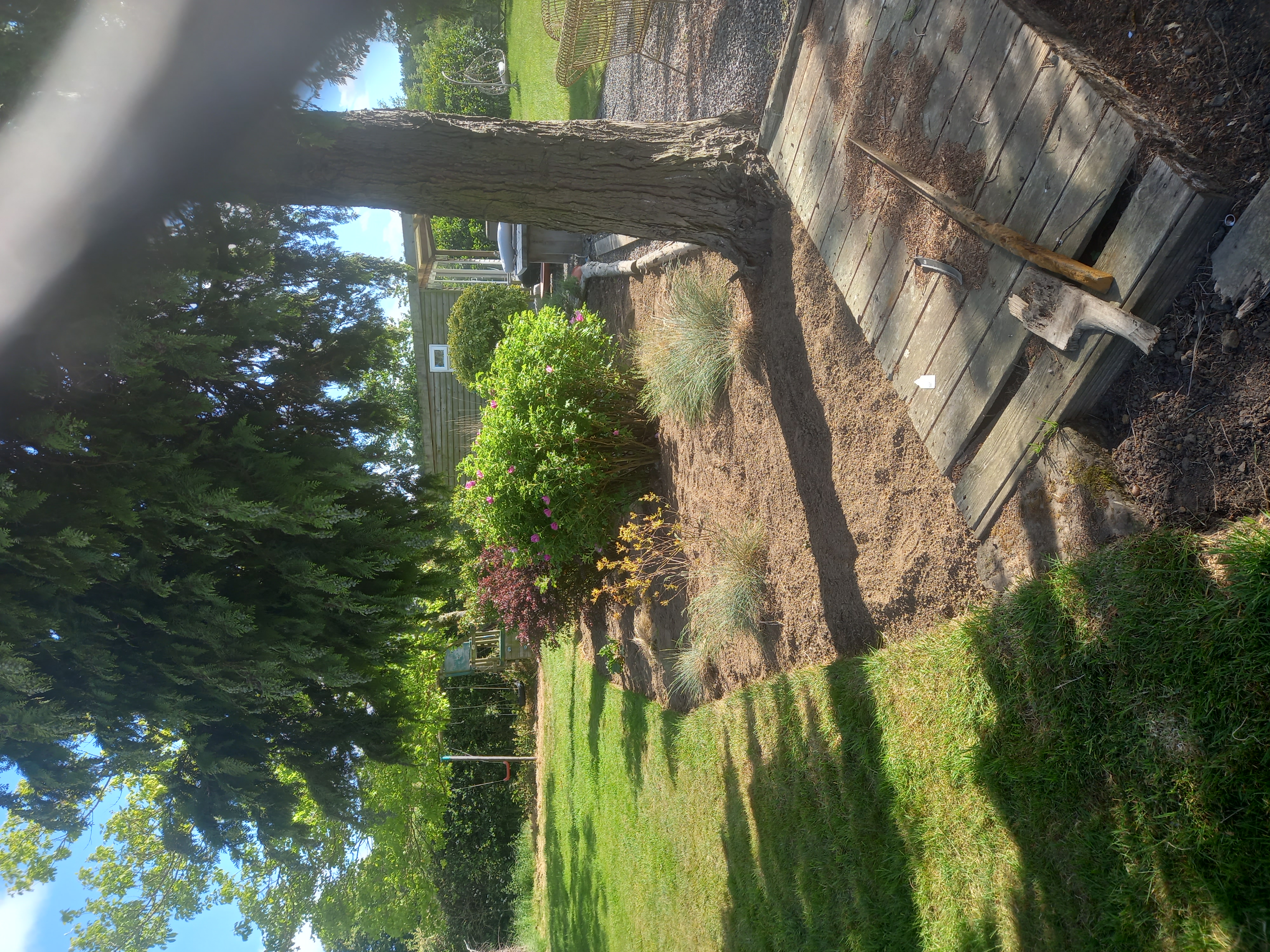
Horse Shoe - a grass path lined with grasses, with a shrub border to one side snd roses and dogwoods to the other.
Courtyard -
Hydranger walk - a series of diferent at the end of the drive to one side of a Rose walk pergola
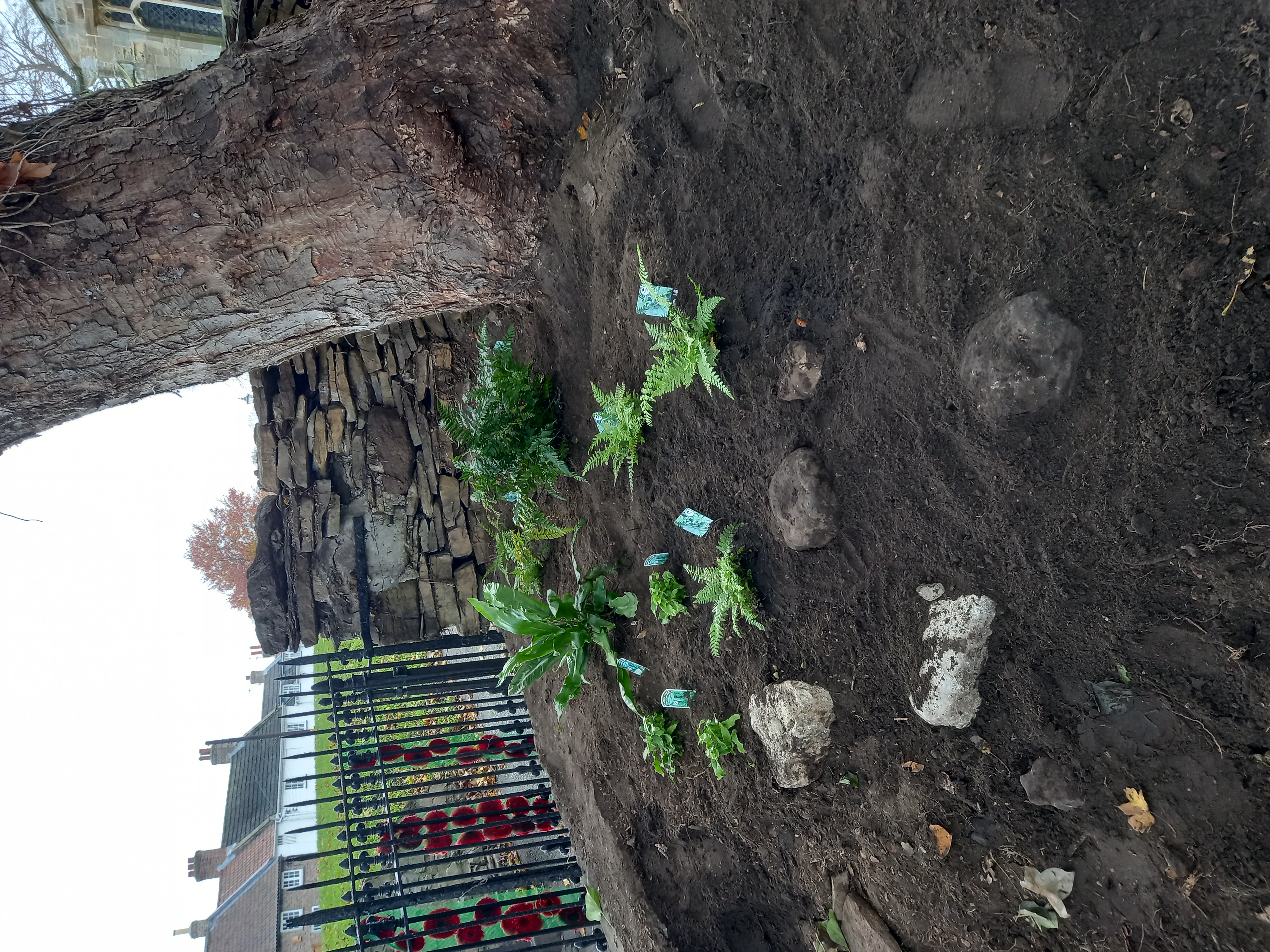
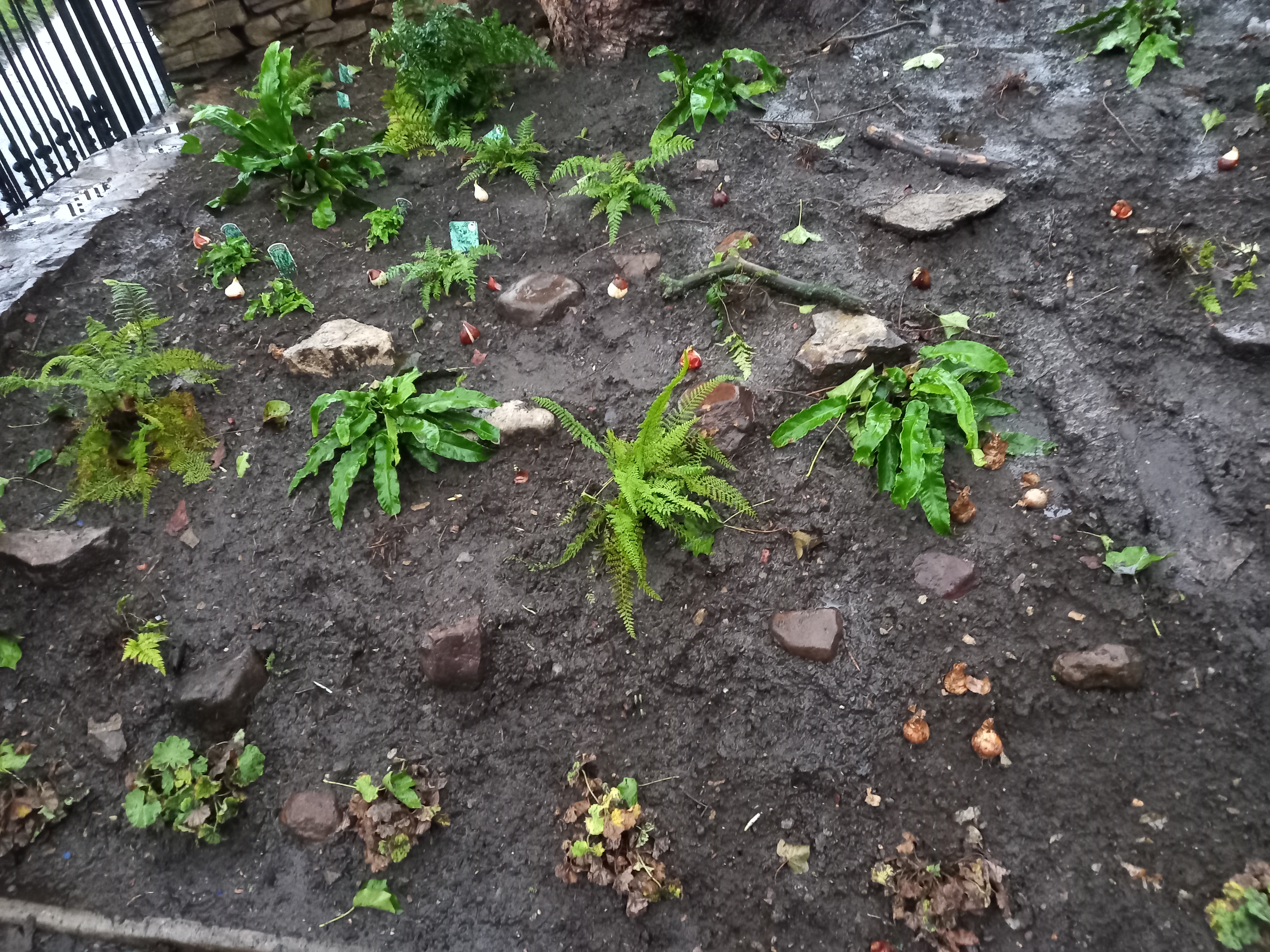
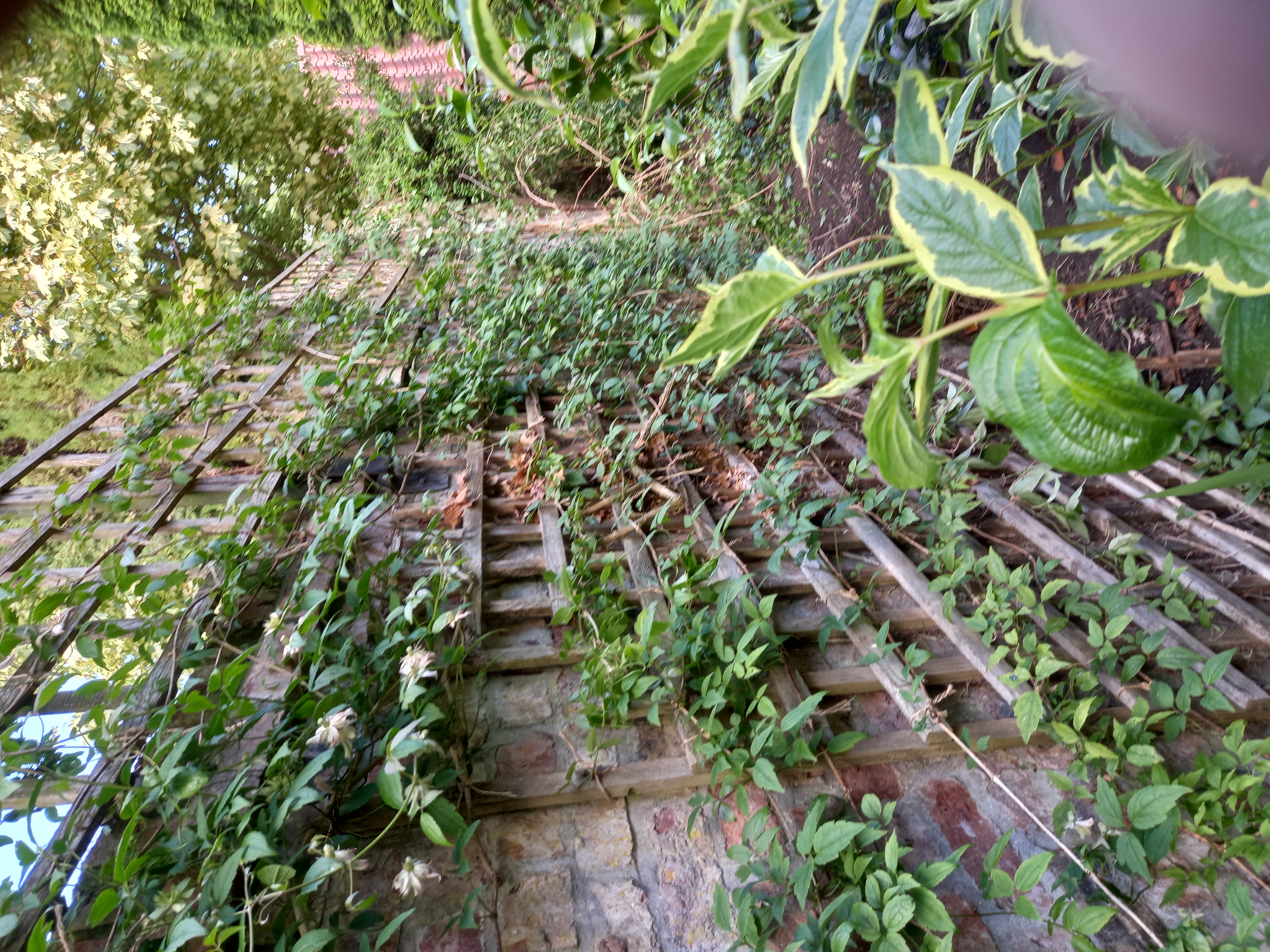
The White Garden - A nod to Great Dixters White garden, the core of which is a quadrant lined by trellis whith white roses and clematis with 4 white mixed borders. Further beds outside the quadrant continue the white and green theme, along with a fernery bed.
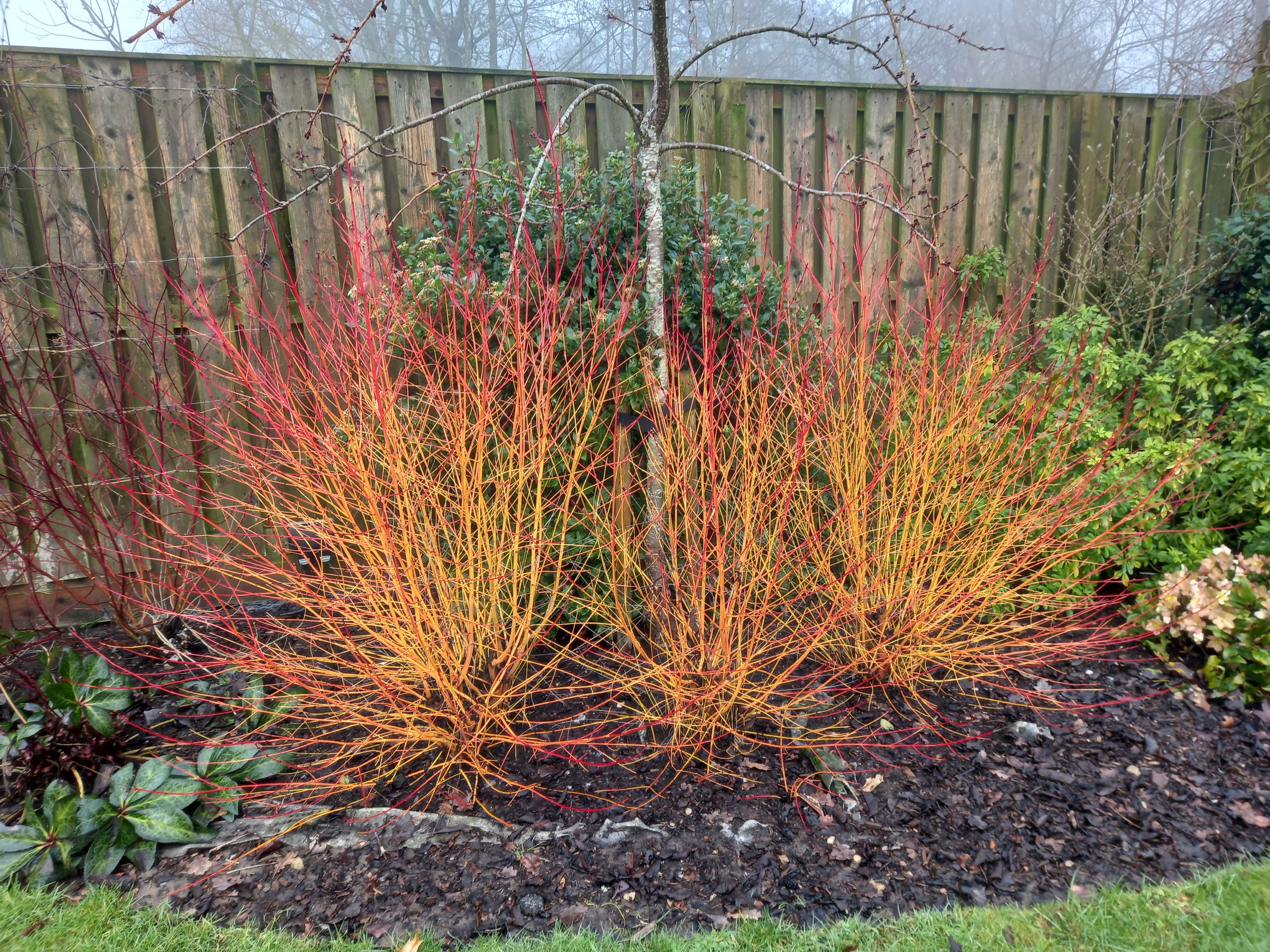
Spring and winter garden - Very much in its infancy, this is an area of spring bulbs and diferent dogwoods and a few willows, beneath a canopy of Field Maple and Walnut trees. In summer the centre is filled with Campanula.
Wildlife garden - This is the newest addition, and again in its infancy, but there is a pond, with some shrubs around it, the start of a dead hedge and living willow fence
A selection of what we offer is:
We currently have a small number of quality gardens on our books. Our jewel in the crown is Maidens Folly, a 17th centuary cottage, previously a farm house, set in around 6 acres, devided into different garden rooms. This garden also sometimes opens to the public for local charities. We do the majority of gardening with the input of the owners. It has a unique story only dating back to 1978, but I beleive it is still a special hidden gem.
The job everybody hates, but one of the most important. A weed is just a plant in the wrong place or one you don't want, usually because it spreads or grows too fast, starving your precious specimens of water, nutrients and even light. Their flowers are often insignificant but produce a lot of easily dispersed seeds. The first aim must always be to stop them flowering and therefore seeding, this is especially important with annual weeds and regular hoeing can stop this as it can with perennial weeds. Unfortunately perennial weeds really need removing complete with every bit of root. some of the worst are Ground Elder, Bind Weed and Couch Grass which we can weed out to a minimum getting as much root as possible, but it is impossible to completely eradicate them, however with thorough regular weeding they can be no more of a problem than any other perennial weed.
Pruningis something Andrew specialises in, whether it be basic shaping, rejuvination pruning, training climbers and ramblers, rose pruning, fruit tree pruning, espallier or fan pruning or anything else, we are always sensative to the needs of the plant as well as the customer. Sometimes a hard prune is required to contain or encourage growth, sometimes just the new growth needs to be taken back to a few buds, it needs to be the right prune for the right result, we prune based on what we want the growth to do. Pruning can in many cases prevent pests and diseases or at least limit them and maintain plant health.
From cutting back to splitting perenials or re-planting, herbaceous borders require a lot of maintenance to keep them looking fresh but established providing a show year after year, including annual clearing and mulching with compost and regular dead heading. Many perennials need splitting every 3 to 5 years for the best displays.
Lawn maintenance can be important and is not limited to just cutting. although regular cutting with a sharp blade is important and the more regular the better the lawn, there are other essentials which are often overlooked. Aeration of a lawn is one of the most imporant aspects and can remedy many symptoms now treated with chemicals. Weeds in lawns are under much debate these days, unfortunately the most economical way to get rid of weeds is with selective weedkillers, however if this must be done we believe it should be as and when and not used as a regular prevention. Preferably weeds can be removed by hand or even in some cases lived with, but remember the more weeds about the more will be seeded in the lawn and not just the borders. We can also feed your lawn with a lawn feed or even organic Fish, Blood and Bone. Bare patches can be reseeded preferably digging over to aerate depending on the size of area.
Whether an informal or formal hedge a cut at some point will be required, if regular enough we can cut with our hedge trimmer or even revert to a saw and loppers if required. Regular hedge cutting is important to maintain the shape and density of the hedge, required not just for looks and stability but also for smaller nesting birds. As the hedge grows after planting it is necessary to keep trimming even though it has not reached the required height, otherwise it can become thin and leggy with no bottom or sturdiness. Hedge maintenance is more than just trimming on a regular basis though, where Ivy may grow up the trunks it can strangle or overtake the hedge if not kept in check, we like to cut it off and preferably remove it from under the hedge if at all possible. Brambles, Elder, Sycamore, Ash and other self seeded shrubs/trees also can interfere with the hedge, as they grow and block out light to the hedge, the hedge dies back to the point where if removed later they leave a big hole in the hedge, in this case we try to gradually remove the intruder over a few years where possible. With conifer or Yew it helps to cut these in a slightly different way which fills out the face of the hedge. We also cut the sides so they lean back which allows light to the bottom of the hedge and not just the top creating more even growth.
Fruit Tree Pruning and Training
This is the area where it is most important that it is done right. Our equipment is sanitised before every customer or even tree when pruning fruit to prevent passing on any desease or virus. Whether it is an over grown tree or just a regular summenr prune of an established espallier we will prune it to provide the best fruit possible. Sometimes it may take a few years to get an over grown tree back to its best, sometimes it may not be possible but we will always do the best we can. We can start from a whip or maiden or continue training an established tree. The most important thing with any standard fruit tree is that it has an open centre to let in light and air, although certain forms such as pyramidial are slightly different. Again it is important that fruit trees are looked at from day 1, no pruning may be necessary at first but it is important to get the shape or training right from the start